
AI news · October 1, 2026
Google DeepMind embeds watermarks in AI-designed proteins
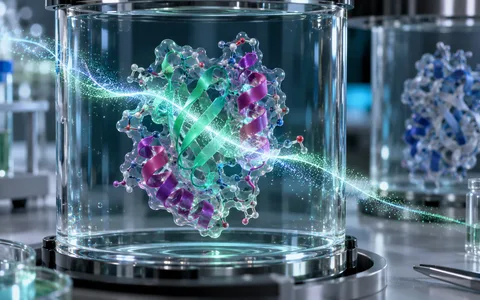
Google DeepMind introduced SynthID Bio, a family of watermarking methods for AI-designed biology. It changes amino-acid choices or predicted 3D coordinates so a signal can be checked in digital designs and physical proteins. The company reports wet-lab tests on binders for VEGF-A, SARS-CoV-2 spike RBD and PD-L1, with function and binding results comparable to unwatermarked designs.
For builders, the work shows how provenance can move with an asset instead of staying in a separate label. That could help providers and databases identify AI-made designs, but it does not replace screening or human review.
Watch the methods paper, released code and tests by other groups. If you build a scientific workflow, keep the design record, model version and verification result together, and test how much the signal survives edits, re-design and measurement noise.
Source: Google DeepMind ↗ — Made With Models writes the brief; the reporting is theirs.