
AI news · October 16, 2026
The Neuron reports an OpenAI engineer recorder investigation
The Neuron reported a hidden-recorder case involving a former OpenAI engineer, with an October 9 charge and model-assisted forensic image review; the allegations remain unproven.
- reported arrest date
- Oct 9
- reported discovery date
- Sept 30
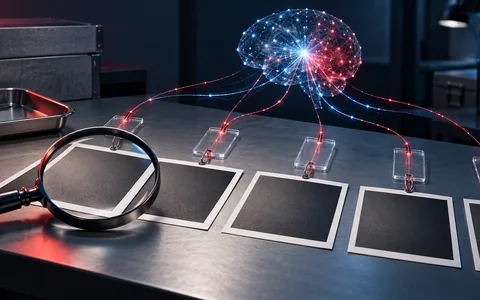
The Neuron reported on October 14 that a former OpenAI engineer was arrested on October 9 after a hidden recorder was allegedly found on September 30. The report said prosecutors charged the person and that OpenAI's internal models were used to examine forensic images and assess possible changes. These are allegations in a criminal case, not a finding of guilt, and the account relies on reporting that should be read with the court record.
For builders, the direct lesson is about evidence handling in a sensitive investigation. A model can help compare images or organise a timeline, but it should not silently become the decision-maker. Keep original files, hashes, model prompts, outputs, access records and human conclusions separate. The same record makes a product easier to audit when a customer disputes an automated result.
What you can do with it
Do not use real private evidence for a casual model trial. Build a synthetic image-review test with originals, hashes, prompts, outputs and a human decision log. Check whether the model changes the result, misses a change or creates a false positive before allowing it into a real case.
Our take
The news value is the unusual use of models inside an investigation, not proof of model reliability or wrongdoing. The allegations remain unresolved, but the evidence trail is a sound product lesson. Sensitive AI tools need records that let a reviewer reproduce every claim.
Links Report
Source: The Neuron — Made With Models writes the brief; the reporting is theirs.